
Dawn Heiman, AuD
|
Dec 27, 2025
|
2 min read
Can Hearing Aids Be Reused and Refurbished or Is It A Risky Gamble?
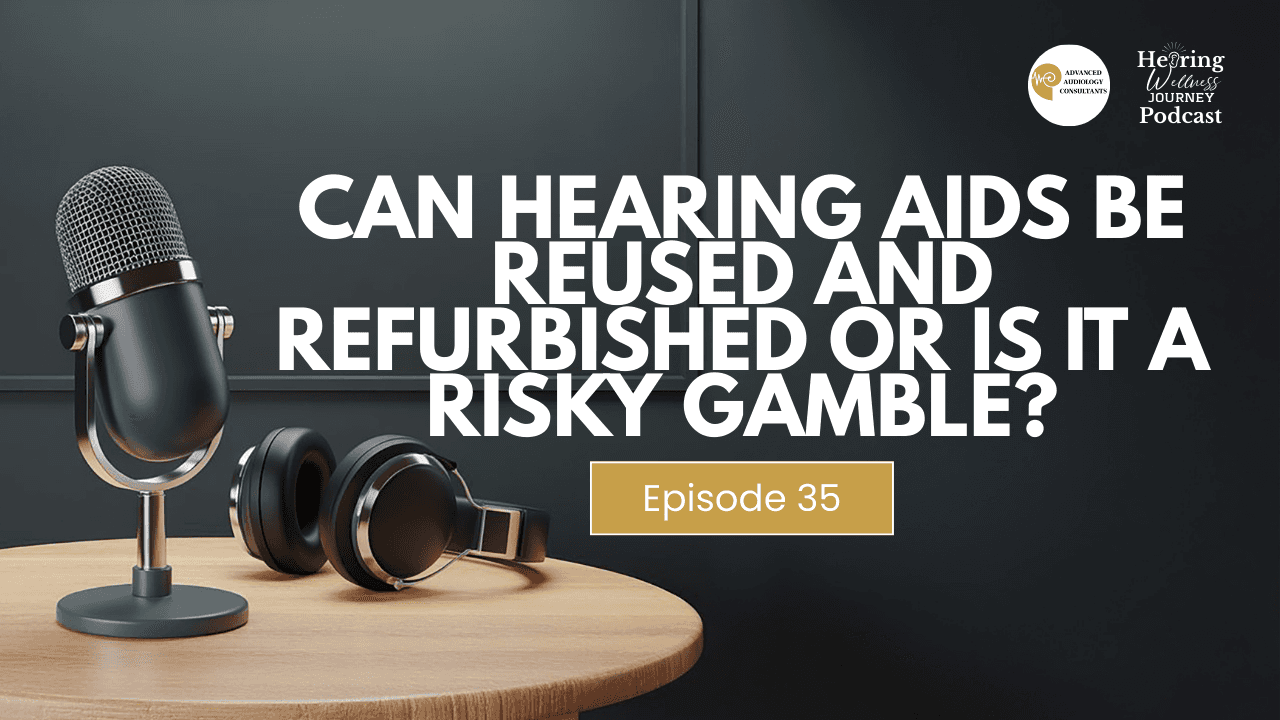
Secondhand Hearing Aids: What You Need to Know Before Using Them
Secondhand hearing aids—whether gifted by a friend or inherited from a loved one—can feel like an incredible opportunity. But as Dr. Emily Johnson and Lindsey Johnson explain in this episode, they’re rarely a “plug-and-play” solution. With the right audiology care, reused hearing aids can work. Without it, they can lead to poor outcomes or even damage your hearing.
Click here to watch the podcast:
Why a Hearing Test Comes First
Before any reused or refurbished hearing aids are considered, a full hearing test is essential. Your hearing needs may be very different from the original owner’s, and not every device can be safely adjusted to match your hearing loss. Audiologists evaluate whether the technology, power level, and fitting range are appropriate—because louder is not always better.
Refurbished Hearing Aids vs. Risky Resale Devices
One of the biggest distinctions discussed is where secondhand hearing aids come from. Devices gifted by a family member or close friend are typically traceable through manufacturer serial numbers. This allows audiologists to confirm age, warranty status, and eligibility for refurbishment.
In contrast, hearing aids purchased from Facebook Marketplace or eBay often cannot be verified. If a device was previously reported lost or stolen, it may be confiscated by the manufacturer during refurbishment, leaving you with nothing.
What Hearing Aid Refurbishment Really Includes
Refurbishment is more than just a cleaning. Manufacturers test microphones, receivers, batteries, and internal chips to ensure the device meets original specifications. Many refurbished hearing aids function like new and cost significantly less than buying brand-new technology.
However, older hearing aids—often 12–15 years old—may no longer be compatible with current programming software. In these cases, even the best intentions can’t make outdated technology usable.
Custom Fit Still Matters
Even with refurbished hearing aids, custom programming and physical fit are critical. New receiver wires, domes, or earmolds are often required. Audiologists also verify that the style of hearing aid—such as receiver-in-canal (RIC) versus fully custom in-the-ear—matches your hearing profile and comfort needs.
The Role of Ethics and Audiologist Care
A key takeaway from this episode is that ethical audiology care never changes based on where the hearing aids came from. Providers follow strict protocols to protect patients and ensure optimal outcomes. If an audiologist asks a lot of questions, it’s not pushback—it’s protection.
Secondhand hearing aids can be a meaningful gift—but they’re just the beginning of the journey. With expert guidance, they can restore connection, clarity, and confidence safely.
To see the video edition of this episode with closed captioning, please go to 👉 Hearing Wellness Journey Podcast:https://hearingwellnessjourney.com/podcast/

Emily Johnson, AuD, CCC-A
Dr. Emily Johnson earned her Bachelor of Science from Purdue University and her Doctor of Audiology degree from Rush University. Prior to working here, she was on staff at the University of Chicago Medical Center. She is a member of the Academy of Doctors of Audiology, the American Academy of Audiology, and the American Speech Language and Hearing Association.
Specializing in hearing aids, tinnitus, and central auditory processing disorders.
Popular Blogs
Dawn Heiman, AuD
|
Dec 27, 2025
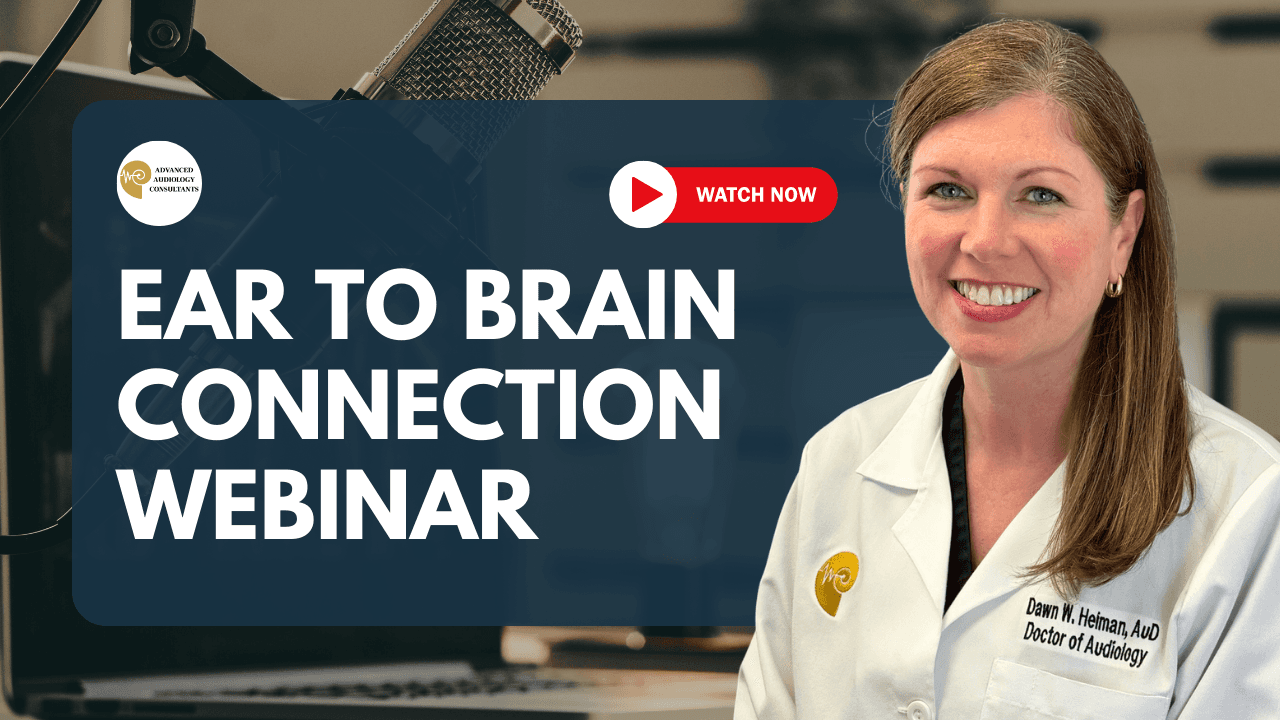
Does Untreated Hearing Loss Cause Dementia: Ear to Brain Connection
Separating fear from facts about the ear–brain connection
Read More
Dawn Heiman, AuD
|
Dec 27, 2025
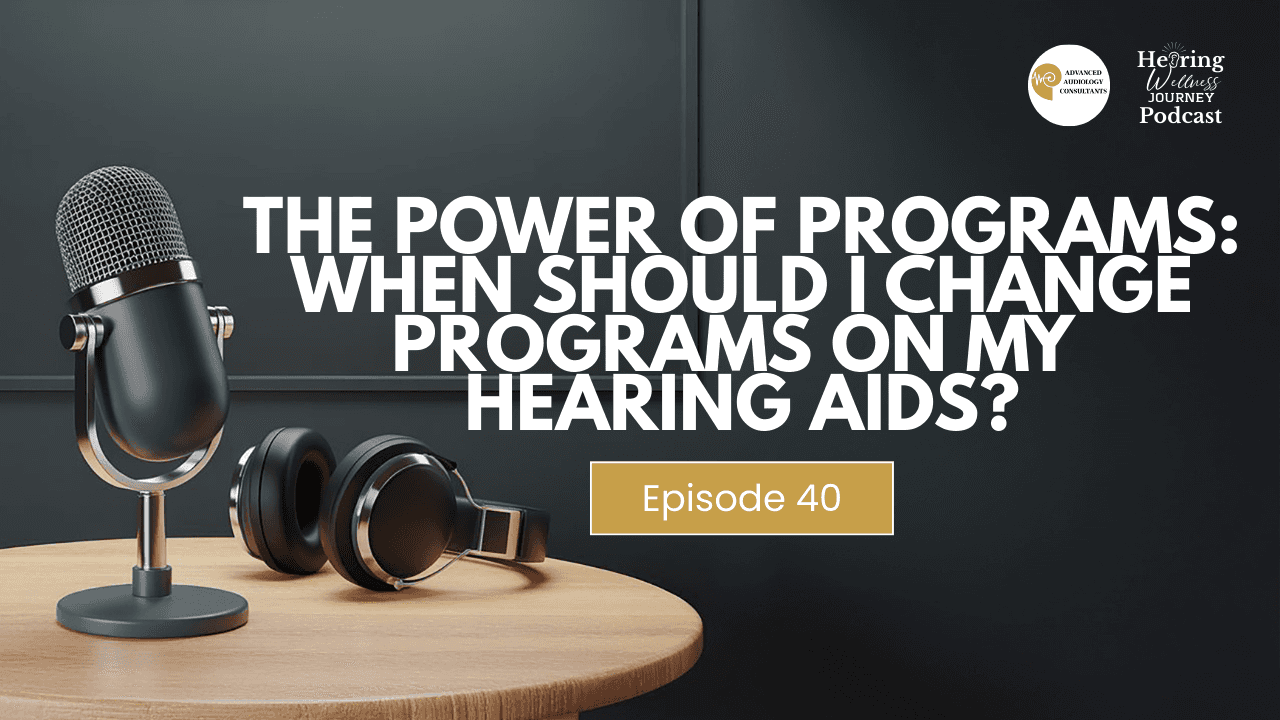
The Power of Programs: When Should I Change Programs on my Hearing Aids?
Are you getting the most out of your hearing aid programs? Learn when to switch settings for clearer speech, better music quality, and less background noise.
Read More
Dawn Heiman, AuD
|
Dec 27, 2025
Why Do Hearing Aids Have Bluetooth, and Do You Need It?
Do hearing aids need Bluetooth to work? Learn how streaming, phone calls, and app control enhance accessibility—without being required for performance.
Read More
Dawn Heiman, AuD
|
Dec 27, 2025
Are Four Ears Better Than Two? Why a Companion is So Important at Your Appointments
Four ears really are better than two. Learn why bringing a companion to your hearing appointment leads to better understanding, stronger support, and better outcomes.
Read More
